Online Scratch Cards: Free Demos and Play
Online scratch cards are instant-win games where you buy a ticket at a set stake, then reveal the board to see whether it pays.
What changes from one game to another is how a ticket wins, the published RTP, the maximum win, and whether a checked free demo is available. Before you choose a game, read those rules and confirm how the payout works, then decide whether the demo suits you or whether you want to play for real money.

Written by Secod on 19-08-2024 · Updated on 03-11-2026
All Scratch Cards Games
Clear
Filters
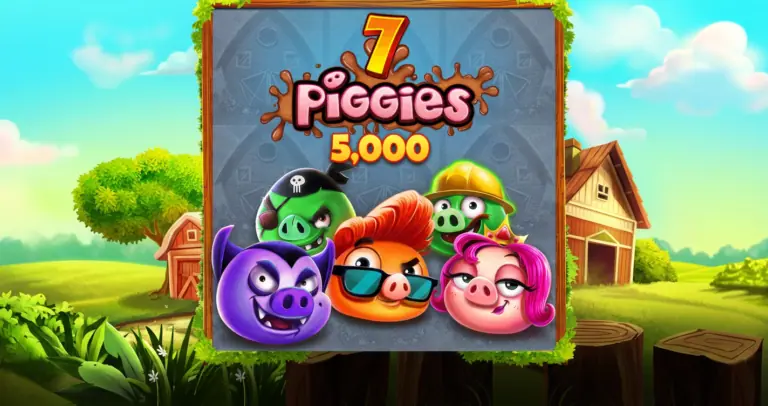

Released
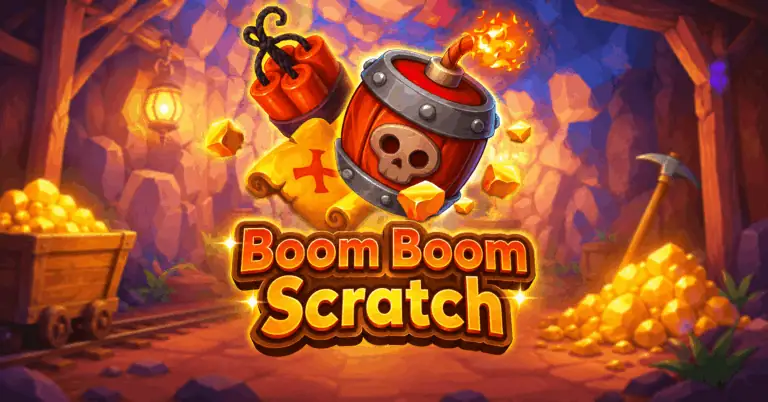
Released
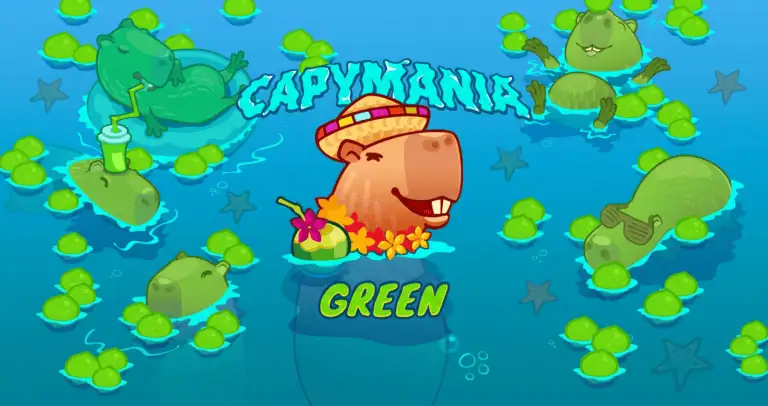
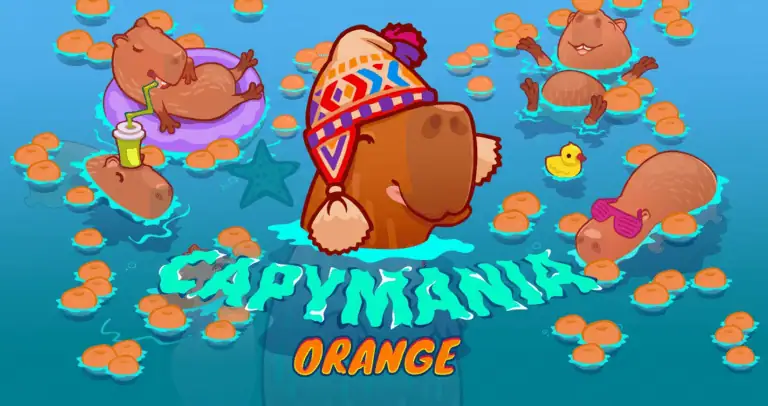

Released

Released






Released

Released



Released
Released

26 results. Showing 1 - 26






How Crazy Cards Plays
Crazy Cards plays like the online scratch cards many readers already know, with a ticket bought at a set stake.
- Select your bet and buy a ticket.
- Scratch the foil to reveal the 3×3 board.
- Three of the same multiplier win the bet multiplied by that value; if no three match, the result is 0x.
- Reveal uncovers the board at once, and Settle finishes the ticket without revealing the board.
Crazy Cards publishes an RTP of 93.15%, a maximum win of 10,000x your bet, and a max win hit rate of 1 in 1,000,000 tickets.
Free Demos and More Games to Try
Free online scratch cards use play credits, with the same rules and payouts; a Play for free button appears on a game page only when its demo has been checked. For other short rounds, see Plinko games and Mines games, or browse the casino games hub and the casino games catalogue.
Real money play happens at a casino after a deposit and stays a game of chance: set a spending limit first, and see responsible gambling for help.

Alongside slots, Secod has covered casino games for years, and many of them he has played himself, live on stream. That hands-on experience shows how a game really plays out: what you decide during a round, what the rules screen says and which settings change the risk. Every casino game page he signs is checked against the game’s own rules and data, not against generic descriptions.